Posted 30 Apr 2026
How to Outpace AI in Your Career: Leveraging Neurodivergent Strengths
Whether you love it or hate it, artificial intelligence appears to be here to stay, and is currently transforming the workplace, many of us are wondering how to stay relevant. For some professionals, their future career plans now feel uncertain. We spoke with our Head of HR Leah Callaghan this week about the best ways to turn the creep of AI into an opportunity and mitigate its impact on your role.
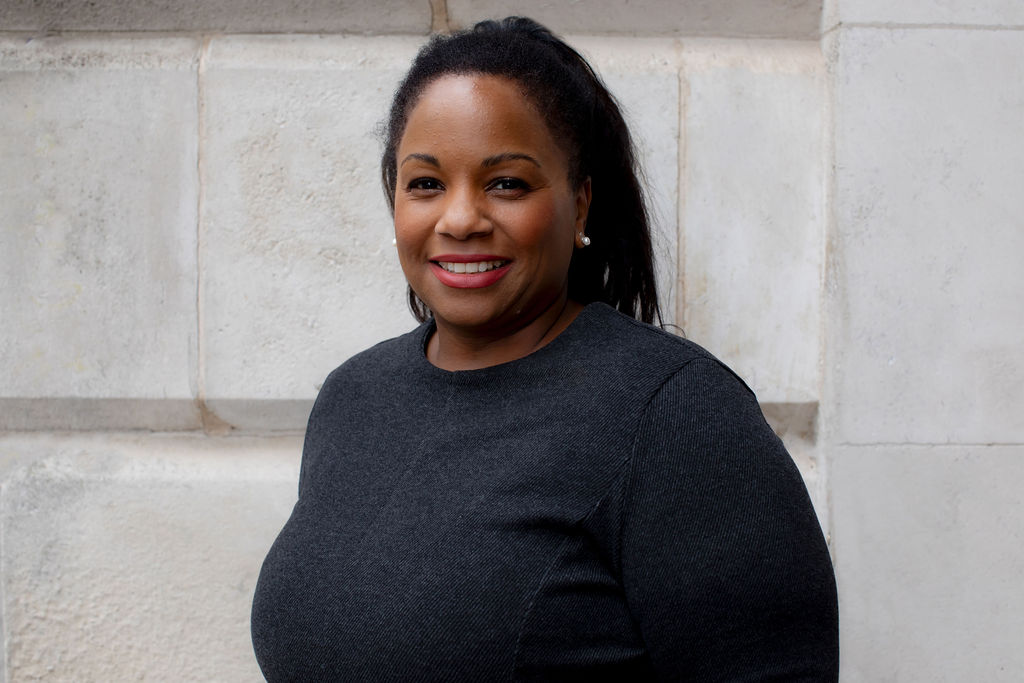
Leah Callaghan, Head of HR, Genius Within C.I.C.
The truth is that humans, and especially neurodivergent humans, have strengths that AI cannot replicate. Our creativity, curiosity, intuition and different ways of thinking make us better equipped to thrive in this new landscape than we might realise.
Thinking Differently is Your Advantage
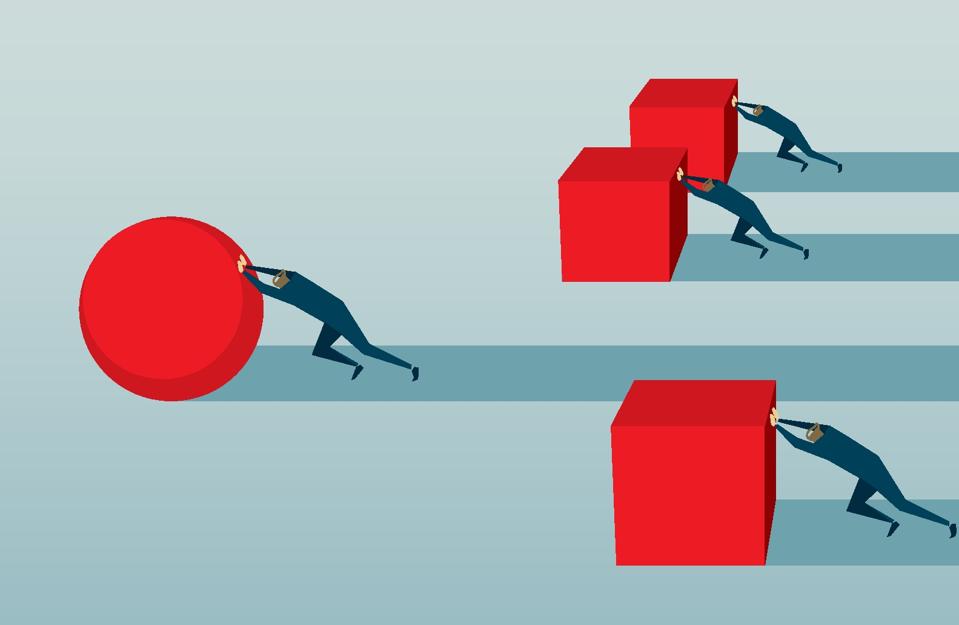
AI can analyse patterns and process data at astonishing speed, but by design it cannot truly think differently. It generates its answers based on predictable patterns from existing information. Many neurodivergent people approach problems from fresh, unconventional angles. We often spot details or connections that others overlook, making us natural innovators and problem-solvers.
If you are the kind of person whose ideas sometimes surprise people or whose brain refuses to follow the expected route, that is not a flaw. It is a strength. Whether your mind thrives on precision and pattern recognition or leaps freely from idea to idea, those qualities are uniquely human. AI can imitate consistency, but not originality of thought. The ways in which you diverge from the norm are the very skills that will help you outpace AI.
Leah says:
“I always suggest to people to hone into the things they naturally do well, this guidance was shared with me in my first HR role. For example, I work with someone who’s brilliant in lots of areas but finds attention to detail and cultural nuance more difficult. That’s something I naturally pick up on, so between us we produce much stronger work than AI ever could.
AI might be great at analysing data, but it can’t understand lived experience, cultural sensitivity, or the emotional impact certain decisions can have. It’s those human instincts, the things we notice and understand without even trying that can really make the difference.”
Pinpoint Your Advantages and Build on Them
Start by identifying the areas where you hold a natural edge. Perhaps you are skilled at noticing risks others miss, or developing creative solutions to tricky problems. Maybe you are brilliant at spotting inefficiencies in systems or translating complex ideas into accessible language.
Once you understand your strengths, invest in developing them. Seek roles, projects or training that make the most of what you do best. The World Economic Forum and several industry reports highlight that skills such as complex problem-solving, emotional intelligence, adaptability and creativity will only grow in value as AI takes over more predictable tasks.
Continual learning is also essential. AI will not stop evolving, and neither should we. Explore new areas that complement your existing skills: communication, digital literacy, or basic AI understanding. You do not need to become a coder or be using AI yourself if you prefer not to, but understanding how AI tools work will help you to outpace them instead of competing with them.
Leah Says:
“When someone takes the time to figure out what they’re good at and actually leans into it, it really stands out. From an HR point of view, that kind of proactive approach is honestly a breath of fresh air. It tells me they’re thinking about their future, not just waiting for things to happen around them – they are in charge of their own destiny!
And it makes my job so much easier too if someone comes to me and says, ‘I’ve realised I’m great at this, and I want to develop it,’ I can actually help them. I can point them toward training, connect them to the right projects, or highlight opportunities they might not see.
It becomes a partnership, really. And in a world where AI is changing things so quick that willingness to grow and use your strengths makes a bigger difference than people realise, it is invaluable.”
Crafting Your Job for the Human Future
As AI begins to automate some tasks, your job may change. This is where job crafting comes in. Job crafting means shaping your role to fit your strengths and interests while contributing to your organisation’s goals. If some of your duties are being automated, consider what new responsibilities you could take on that require human insight.
Could you focus more on relationship building, creative design, ethical decision-making or mentoring others? These are areas where AI struggles because they rely on emotional understanding, empathy and moral judgement. By redefining your role around what only humans can do, you make yourself indispensable.
Speak to your employer about evolving your role, not replacing it. HR teams are increasingly encouraged to support employees in adapting to AI-driven change, particularly when neurodivergent workers bring exceptional value through their different cognitive styles.
AI Doesn’t Have to be a Threat
Leah Says:
“I completely understand why people feel worried about AI, I’ve felt that myself at times. I have dyspraxia, which means parts of my executive functioning aren’t neurotypical. Things like processing information quickly or working with data-heavy documents, especially Excel can be genuinely challenging for me. I’m slower to understand complex spreadsheets, and creating detailed documents used to feel overwhelming.
But instead of seeing AI as a threat, I’ve learned to use it as a support tool. It helps me break information down, check my work, and navigate the areas I find more difficult. And the great thing is that it doesn’t replace my strengths, it amplifies them.
That’s why, from an HR perspective, I really encourage people to look at AI as something that can enhance what you already do well and lighten the load in areas that take more energy. Neurodivergent colleagues, in particular, bring incredible strengths like creative problem‑solving, deep insight, emotional intelligence and unique ways of thinking that AI simply can’t replicate. When we combine those strengths with the right tools, it’s amazing how much more confident and capable people feel.”
Using AI as Assistive Technology
While we acknowledge that the use of AI is an ethical question and a personal decision, for those who are comfortable using it, it can be a helpful accessibility tool. Text-to-speech software can make reading easier, while grammar support tools can help dyslexic writers express ideas clearly. Apps can help with scheduling and time management, reducing cognitive load. Discover more Assistive Technologies in our online store.
By letting AI handle repetitive or energy-draining tasks, you free yourself to focus on the work that truly uses your brain’s strengths. In this capacity it is a reasonable adjustment.
Leah Says:
One of the biggest ways AI supports me personally is by helping to reduce cognitive load. I use AI to summarise lengthy documents so I can focus on the key points without becoming overwhelmed. It helps me be more productive and efficient, especially when I’m reading material outside my area of expertise. For example, when I’m reviewing psychological reports or technical content from our psychology teams, that’s not my background. My strengths and interests sit firmly in the HR world: people, processes, the employee lifecycle, and strategic thinking.
AI acts as a bridge. It helps me understand complex information more quickly, so I can make informed decisions and contribute meaningfully without getting stuck in the detail. It’s not doing the thinking for me; it’s supporting me to use my strengths more confidently.
Shaping Your Future with Confidence
AI may be quick and consistent, but it lacks empathy, intuition and imagination. Those qualities belong to us. For neurodivergent professionals, our differences can be the roadmap to success. The future of work needs minds that can connect ideas, question assumptions and imagine new possibilities.
So look closely at how your brain works. Develop your natural advantages, learn new skills, and use AI to remove barriers and free up your time. Outpacing AI is not about running faster than machines, but about running in directions they can’t follow.
Related Articles and Information