Posted 11 Aug 2026
Exploring Diagnosis? 5 Tips for Choosing Your Assessor
Author Bio
This article is written by Genius Within Community Manager Helen Doyle. Helen is a subject matter specialist writing about neurodiversity and disability inclusion both from the perspective of her own lived experience and collaborating with the experts on our team to cover a wide variety of topics and views.
Think You Might be Neurodivergent? Dr Doyle’s Advice for Finding an Assessor
Seeking a diagnostic assessment can be an important step towards understanding yourself, accessing support and making informed decisions at work, in education or in daily life. But choosing the right assessor matters. A good assessment should feel respectful, thorough and useful, not rushed, confusing or focused only on deficits.
At Genius Within CIC, we believe neurodivergent people deserve assessments that are holistic. We believe in looking at the whole person, their circumstances and considering the possibility of co-occuring conditions before jumping to only one answer.
We also know that choosing the right assessor and knowing what to look for can feel confusing so we asked our Founder Dr Doyle for her top tips. If you are exploring the idea of assessment for ADHD, autism, dyslexia, dyspraxia or another neurotype, here are the key things to look for before you book.
Check for HCPC Registration
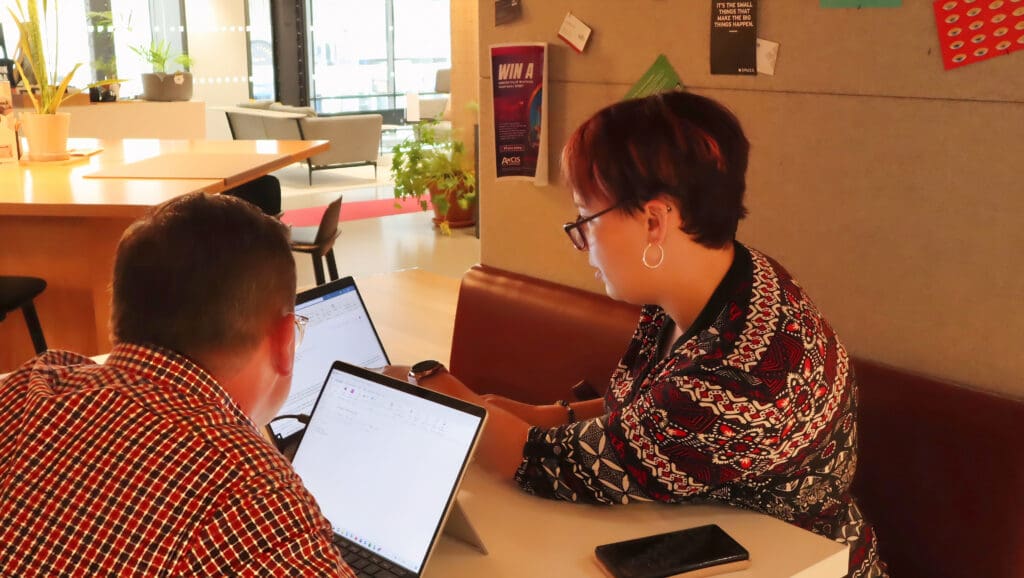
A strong first step is to check whether the assessor is registered with the Health and Care Professions Council (HCPC). HCPC registration means the professional must meet recognised standards for training, skills, conduct and safe practice.
You can use the HCPC online register to confirm a psychologist’s status. If someone cannot clearly explain their qualifications, registration and scope of practice, pause before proceeding.
Look for Experience Across More Than one Neurotype
Co-occurring (overlapping) neurotypes are common. For example, a person may be both Autistic and ADHD, or Have Tourette’s but also OCD. An assessor who only looks for one neurotype may miss the full picture.
Ask whether the assessor has experience of more than one neurotype and whether their process considers co-occurring conditions. A holistic assessment should explore patterns across cognition, communication, attention, movement, learning, wellbeing and the environments where you live, study or work.
Expect a Background History Interview
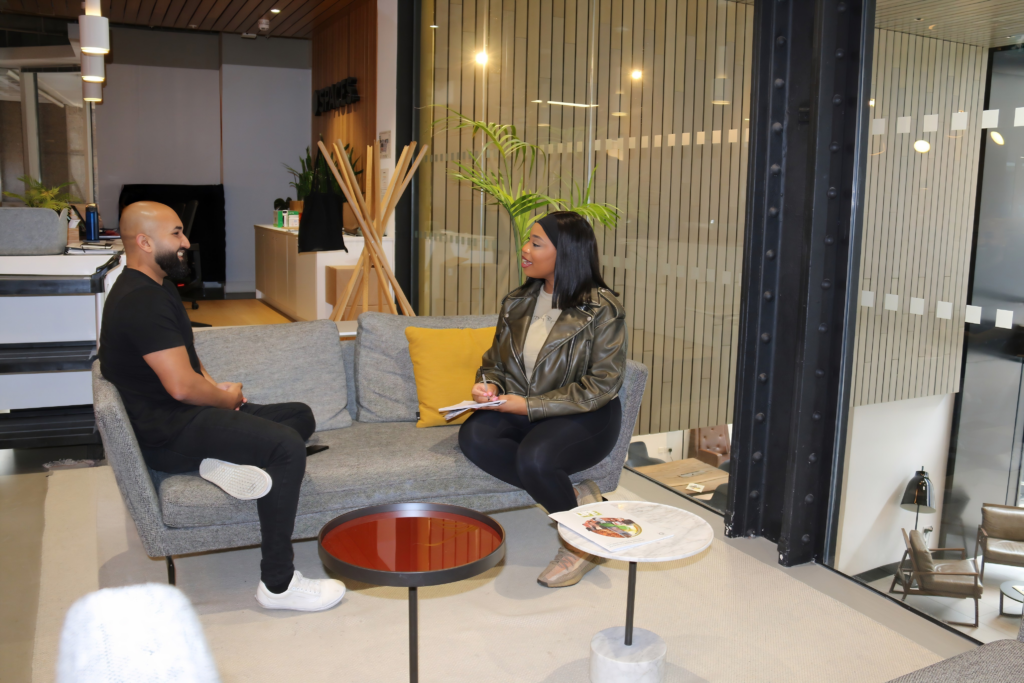
An accurate diagnosis should not rely on a questionnaire alone. The process should begin with a detailed background history interview. This helps the assessor understand your early development, education history, strengths, challenges, coping strategies and family patterns.
This conversation is also where context matters. Some people have masked difficulties for years, compensated through high effort, or only reached crisis when demands increased. The right assessor will take time to understand your story, not just your scores.
Ask to see an Example Report
Before you commit, ask whether the assessor can share an anonymised example report. This is a reasonable request and can tell you a lot about the quality of the service.
A useful assessment report should be readable and practical. Look for:
- Clear summaries of the findings
- Plain English explanations not jargon
- Graphs and bullet points as well as text and summaries
- Information about strengths as well as support needs
If the example report is dense, inaccessible or difficult to understand, your own report may be hard to use when asking for reasonable adjustments or explaining your needs to others.
Choose Someone you Find Approachable
Assessment is personal. You may be discussing school experiences, workplace difficulties, family history, mental health, and moments where you have felt misunderstood. You should feel comfortable enough to be honest.
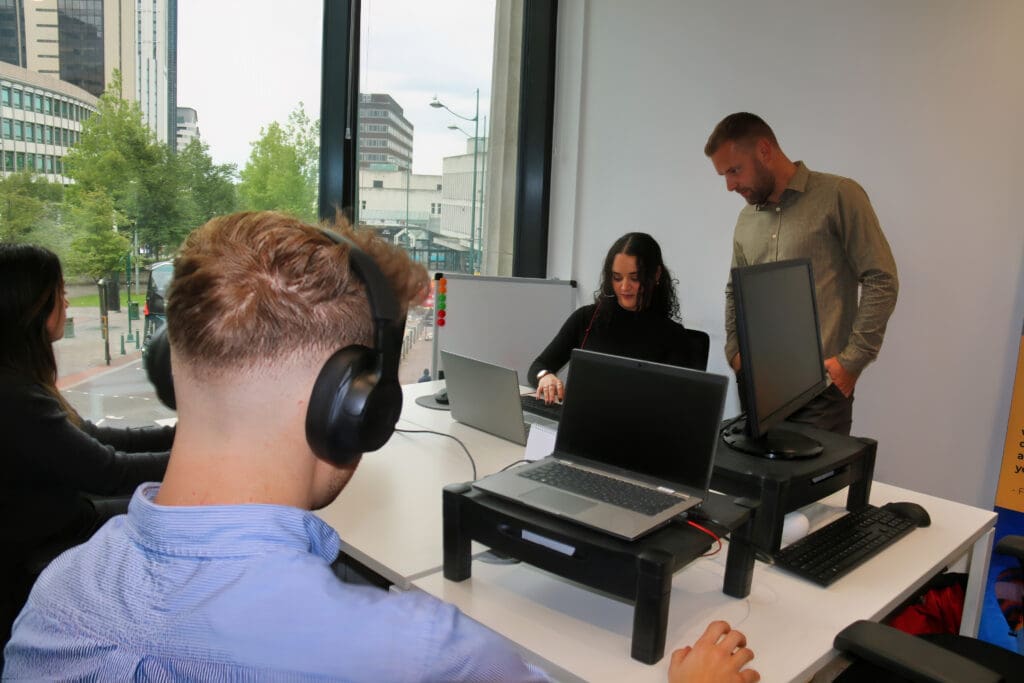
Before booking, notice how the assessor or service communicates. Are they clear about the process? Do they answer questions respectfully? Do they explain what will happen before, during and after the assessment? An approachable assessor will help you feel informed and involved, rather than judged or processed.
Questions to ask Before Booking an Assessor
- Are you HCPC registered, and what is your professional title?
- Which neurotypes do you assess, and how do you consider overlap?
- Does the assessment include a detailed background history interview?
- Can I see an anonymised example report?
- Will the report include any practical recommendations as well as diagnosis?
Final Thoughts
Choosing the right assessor for a diagnosis is about more than availability or price. It is about professional credibility, breadth of experience, a thorough process, a useful report and a relationship where you feel comfortable being yourself.
A good assessment should leave you with clarity, language for your experiences and practical next steps. Whether you are seeking a diagnosis for personal understanding, workplace adjustments or education support, take time to choose an assessor who will look at the whole person, not just a label.
To read about a first hand account of why holistic assessment matters click here.
For assessment services from Genius Within click here.