Posted 27 May 2026
What we know. What we’ve learned. With Drew Goddard: Employability: The Importance of a Neuro-Affirming Approach
By Drew Goddard, Social Justice Team Leader at Genius Within
Read Drew’s full profile
Connect with Drew on LinkedIn
Drew Goddard
We spoke with Social Justice Team Leader, Drew Goddard to get a better understanding of why our programme outcomes for finding sustained employment are more than double the national average.
When it comes to employability services good outcomes require more than just good intentions. To see significant change and support many more people into sustainable and meaningful employment requires systems, services, and support models that are genuinely neuro-affirming. This means recognising strengths as well as difficulties, designing pathways around individual needs, and understanding that employability is deeply connected to confidence, identity, and long-term wellbeing.
The Power of Self Efficacy in Employability
At Genius Within we are a community interest company which means that social justice and support for our community is embedded into everything we do. Since 2015, our Social Justice Practice has supported people through employability and criminal justice programmes, with a specialist focus on neurodivergent thinkers and those with hidden disabilities.
Drew says:
“I think our outcomes are strong because we focus on the individual rather than trying to fit people into a standard employability model. When people feel understood and supported in a way that works for them, confidence grows and sustainable employment becomes much more achievable.”
Traditional employability programmes frequently rely on deficit-based models. Participants are assessed according to what they struggle with, and support is often designed to “fix” perceived weaknesses. For many neurodivergent people, this approach can reinforce stigma, reduce confidence, and create barriers to meaningful progress. Neuro-affirming practice takes a different route. In addition to looking at barriers, it asks, “What are this person’s strengths, and how can we build from them?”
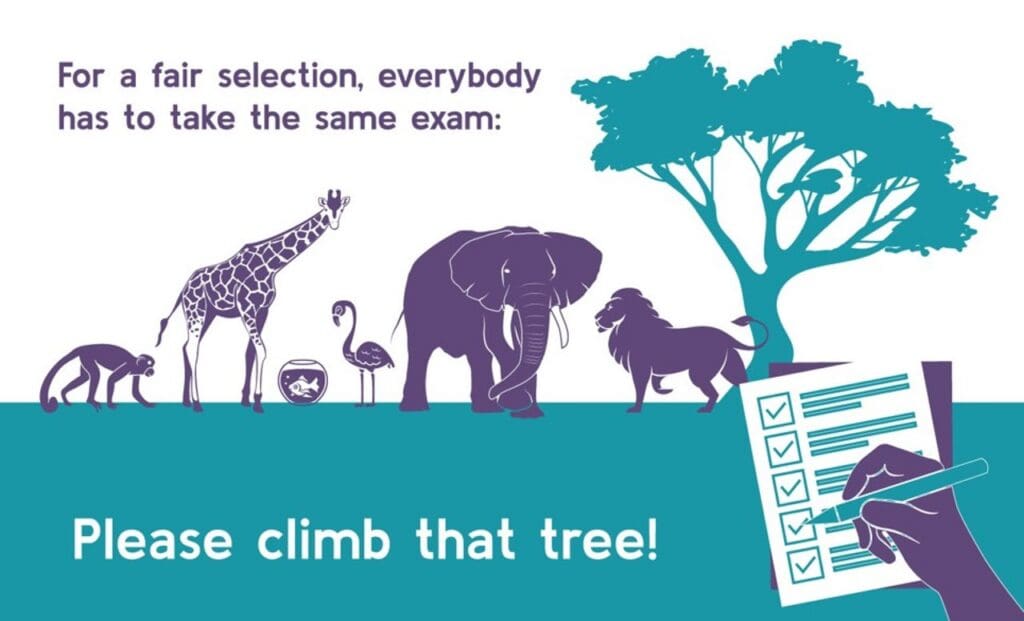
Our Tailored Approach Means no one is Left Behind
Drew says:
“Not everybody needs the same type of support. Some participants benefit from group learning and peer support, while others need more tailored one-to-one coaching. Having flexible models means we can meet people where they are and provide the right level of support at the right time.”
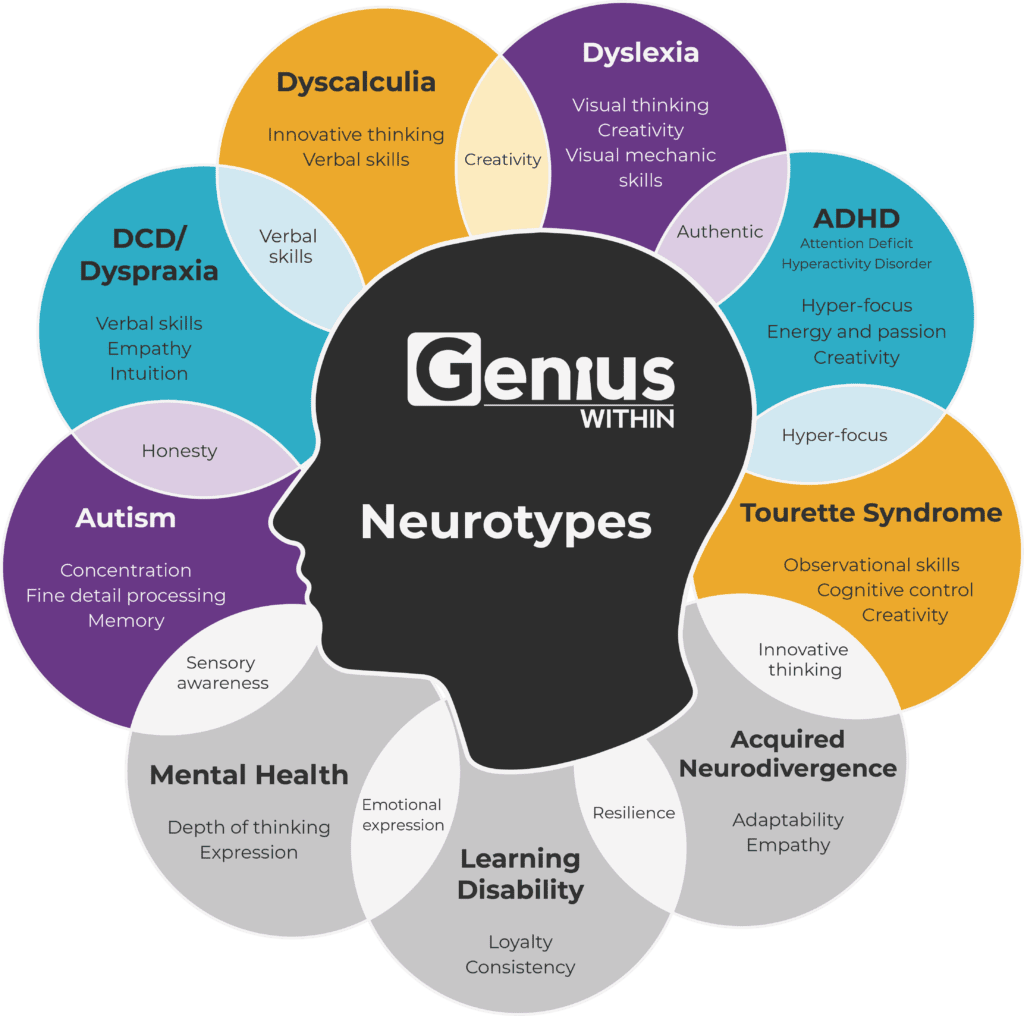
While it is essential to address barriers and challenges for people during this process it is the strengths-led philosophy that makes Genius Within different from many alternative employability approaches. We designed our programmes to empower individuals by recognising their capability, creativity, and potential. Through tailored support, coaching, and digital tools, we help people understand how their unique ways of thinking can become assets in education and employment.
Our services are intentionally flexible because no two journeys are the same. Some individuals require lighter-touch support as they approach the job market, while others benefit from more intensive guidance over a longer period.
Acknowledging the Specific Needs of Neurodivergent Participants
A key reason Genius Within outperforms more traditional alternatives is our specialist understanding of neurodivergence. Our coaching services are not generic employability interventions repackaged for a different audience. We designed them specifically around the lived experiences of neurodivergent individuals. Beginning with the Genius Finder Employability assessment, participants gain insight into their strengths, executive functioning profile, and development opportunities.
From there, individuals complete the Employable Genius Course, which includes structured sessions on executive functioning, navigating the hidden job market, confidence building, and workplace readiness. Group sessions simulate employment scenarios, encouraging collaboration, peer learning, and feedback in psychologically safe environments or one to one when needed.
Our Employability Outcomes Speak Loud and Clear
The impact of this approach is measurable. Data from WAHP and IPES demonstrates significant improvements with clients reporting a 51% improvement in memory, 39% improvement in organisation, 60% improvement in time management, and an impressive 77% improvement in stress management.
Beyond skills development, the programme also drives meaningful employment outcomes: 57% of participants moved into employment (the nationwide average is 36%), while 83% transitioned from inactivity into actively seeking work, education, or training.
“We’re really proud of the outcomes because they represent genuine change in people’s lives, not just job starts. Seeing someone go from feeling stuck or disconnected from work to finding a role they enjoy and can sustain is incredibly rewarding.” – Drew Goddard
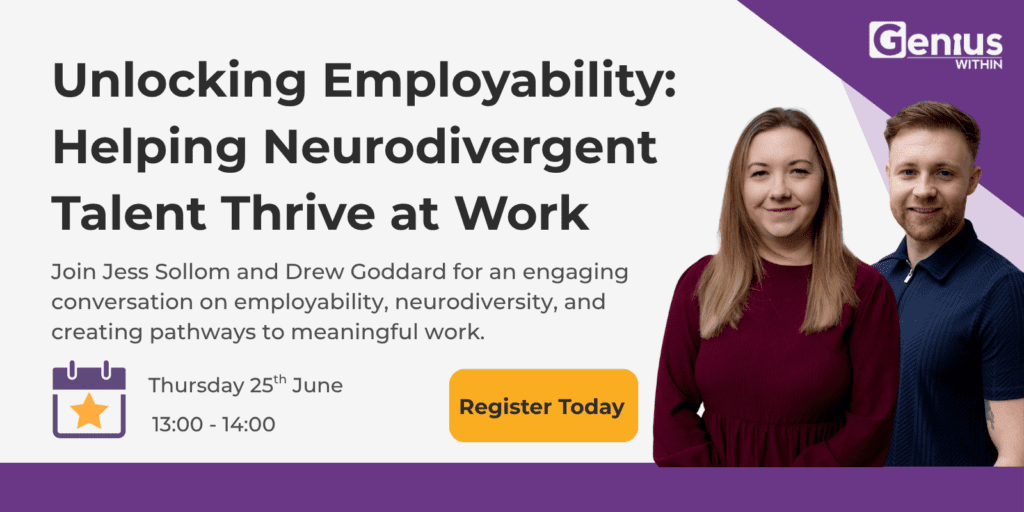
Unlocking Employability: Helping Neurodivergent Talent Thrive at Work
To learn more about the Genius Within approach to employability for neurodivergent people, register for our webinar on neuro-affirming employability support with Drew Goddard and Jess Sollom.
For more on this topic, listen to our CEO discuss the neurodiversity employment crisis on the Hidden 20 Podcast.