Posted 11 Jun 2026
Tourette’s Inclusion: A Shining Example from Tyneside Cinema
The modern media and online landscape loves to keep us all focused on the bad stuff. If we are angry then we are more likely to click and engage. But that negative focus is rarely a true picture of the world at large. It isn’t good for our mental health either. With this in mind we would like to share an example of Tourette’s inclusion done right that came onto our radar recently.
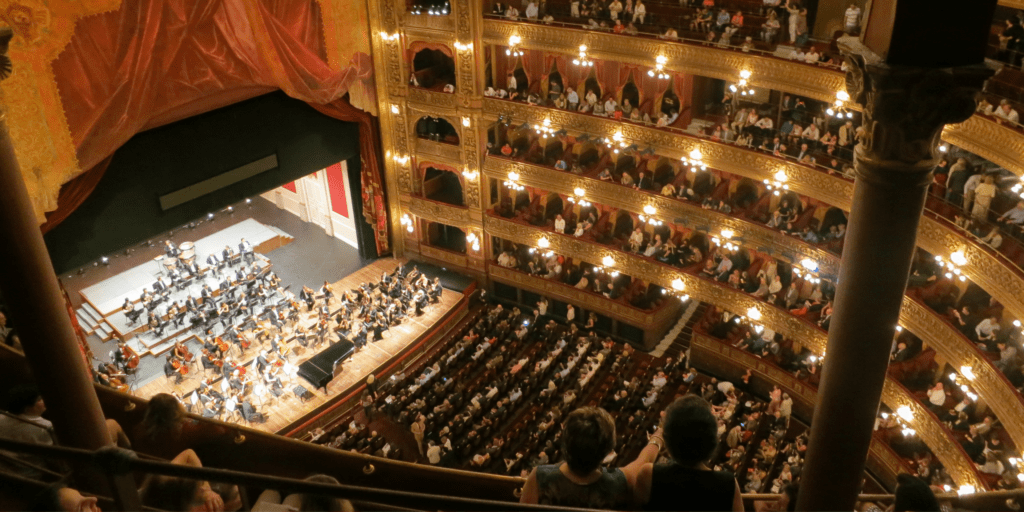
Visiting the Theatre with Tourette’s
Friend of Genius Within and mum (Jenny) reached out to Tyneside Cinema in advance of an event to ensure that things went as smoothly as possible. An outing to the theatre can bring high anxiety for ticcers and their friends and family who deserve to enjoy their trip out but fear being misunderstood or causing disturbance.
She wrote:
“My son has Tourettes and it is possible that he may have vocal tics during the event. I haven’t managed to get seats right at the end of a row so we may have to sit next to someone. Would it be possible for someone at the cinema to explain to Mr Eccleston that there is an audience member with Tourettes? I feel it is important that he is forewarned so he understands what is happening if my son does have a tic.”
The Perfect Response
Jenny was so pleased with the response that she shared it with us as an example of what she wishes more businesses would do. Dan Lauder, Head of Cinema Operations wrote:
“Great to hear you and your son are attending Desert Island Flicks, and thank you for informing us about the neurological condition your son has. We’ll do our best to provide an inclusive space for you both for the event.
We will absolutely inform both Christopher and the host Dave Johns to make them aware that they may be involuntary vocal tics during the event beforehand and to not draw attention to them.
Would you find it beneficial or helpful for us to also notify other attendees to the event in advance of the show to provide a level of awareness for this too, so that people can understand and expect it should it occur?
I ask this because without that awareness, we don’t know how other attendees may respond to any vocal tics and would not want anyone to presume that somebody was intentionally being disruptive.
If we did provide some awareness in advance to other attendees, we would not provide any information that identifies you or your son or your seating location. It would just be a general message.
If you don’t think this would be helpful, we totally understand and will not put anything out in advance. If you would like us to do this, just let us know and we’ll take the step you are most comfortable with, which can either be via e-mail in the days before the event or can be as part of an introduction to the event itself.
We look forward to hearing back from you, and your preferences for next steps.”
Why This Works
First of all, the cinema showed they were happy to have them attend and did not view their attendance as a problem. This seems like obvious customer service but many people with TS have experienced being excluded and seen as a nuisance so this is a great way to open their response.
Second, not only do they agree to do what Jenny has suggested but they make their own suggestion as to an additional step that might help, but rather than insisting upon it they leave it open for Jenny and her son to say what they are comfortable with.
Finally, they make it a collaboration. By asking for Jenny and her sons input on what to they are comfortable with they have made it clear that they will work together rather than take over. This helped Jenny to feel confident going back and starting up a conversation about how best to proceed.
This is what Tourette’s inclusion done right looks like.

What Happened Next
After such a positive and proactive response Jenny shared with the cinema our previous article about Tourette’s Inclusion as an additional resource for their team. After reading and taking the advice on board they also offered to give an advance walk through of the venue so Jenny and her son could be aware of the layout, sensory environment, and where the main exit points are.
Next the cinema suggested some wording for an announcement to be made on the day, and this wording was approved directly by Jenny’s son to ensure that he was comfortable with how they spoke about him. What a brilliant example of how inclusion done right doesn’t have to be difficult and can actually be a positive experience for all involved.
Why Tourette’s Inclusion Matters to Tyneside Cinema
We reached out to the cinema for comment and they said:
“Creating an inclusive and accessible environment for all of our guests and visitors is an important part of our mission at Tyneside Cinema, and we strive to be able to offer a range of screenings and support to allow all of our guests to enjoy films and events that we host. Cinema is for everyone, and visiting the venue is an important collaboration between ourselves and our guests. If we’re able to support an individual or group to attend the cinema that is within our means, we’re more than happy to help.”
We hope that others businesses will take note of this approach for the future, and that the wider public will keep in mind the importance of accessible spaces for those with Tourette Syndrome. Tourette’s Inclusion is about more than just awareness, it means actually making people TS feel safe enough to engage in public spaces.
Tyneside Cinema are a charity, click here to show them some support.
Click here to learn more about Tourette Syndrome.