Posted 29 May 2026
What we know. What we’ve learned. With Helen Musgrove: Neuroinclusion, Leadership and Consultancy
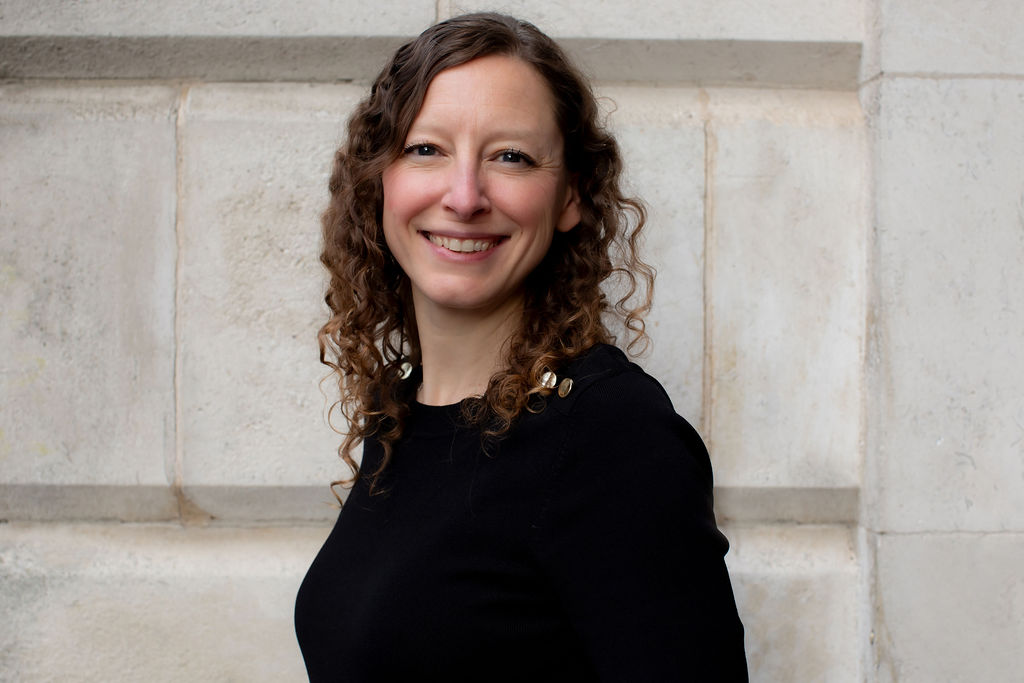
Helen Musgrove
Helen is the Head of Consulting at Genius Within C.I.C. and a Business Psychologist.
She has extensive experience guiding organisations around neuroinclusion; to create more neuroinclusive workplaces through evidence-based organisational change programmes and training.
Prior to her career as a Business Psychologist, Helen worked for many years as a Senior Civil Servant, leading strategy and delivery of UK-wide social policy programmes to increase inclusion and support for marginalised groups.
At Genius Within, our work is shaped by the expertise, experience and lived insight of our people. Our employees bring a unique blend of professional knowledge, practical consultancy experience and personal understanding of neurodiversity, which means they can speak honestly about what helps people and organisations thrive.
This article is the first in a new series where we hear directly from Genius Within employees about their work, their perspectives and the changes they want to see in workplaces. To begin, we spoke with Helen Musgrove, Head of Consulting at Genius Within, about neuroinclusion, leadership, psychological safety and what organisations can do to better support neurodivergent employees.
What sparked your interest and caused you to specialise in neurodiversity as part of your career?
I’m passionate about neurodiversity partly because it feels personal, affecting close family members, friends and colleagues. Since working in this space, I’ve increasingly recognised neurodivergent traits in myself too, though I don’t have a formal diagnosis.
Having spent many years leading teams, I’ve seen how diverse ways of thinking can drive innovation and keep teams energised. However, I’ve also seen people excluded from opportunities because they are different, and getting burnt out because they feel they have to mask their challenges at work.
Leading our consulting team, I am able to facilitate real changes in organisations which benefit the performance and wellbeing of neurodivergent employees and their teams. What a privilege!
In your earlier career in public service, you led policies and programmes tackling some of the country’s big social challenges. What common threads do you see between that work and your work now?
I’d say the common threads are tackling injustice and the challenge of working on problems that are knotty, but super important to solve. Whether that is low conviction rates for violence against women, opportunities for marginalised young people, the UK’s loneliness epidemic or employment inequality for disabled and neurodivergent people.
I’ve learnt along the way the importance of not making assumptions, really listening and co-designing solutions with the people you are seeking to support. One reason I changed careers is that this is very hard to do in practice as a Senior Civil Servant in Central Government, and much easier to do as a psychologist working for an inclusive and innovative Community Interest Company!
Can you tell us about a memorable success story from consulting with Genius Within?
We are partnering with a UK energy company on a great neuroinclusion programme.
First, we reviewed their policies and processes and recommended a proactive model of support which could be integrated into their systems and culture. We then piloted:
- Manager eLearning, a toolkit and bespoke workshops, enabling managers to build confidence and competence in supporting neurodivergent team members.
- Neurodiversity awareness eLearning for wider colleagues.
- The Genius Finder® platform, which helps colleagues understand their strengths and challenges in work-related skills and implement strategies to improve performance and confidence.
The evaluation demonstrated improvements in manager confidence and, for neurodivergent colleagues, positive impacts on psychological safety, career satisfaction and perceptions of discrimination.
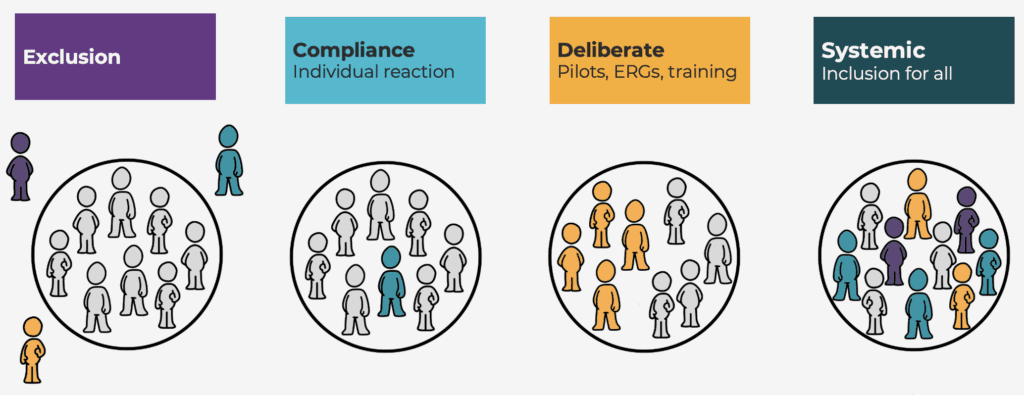
We are now rolling out the programme across the business, and building on it with client-led interventions to sustain impact. Our focus on co-design, collaboration and evidence has been critical to success. This is what we describe as “Systemic Inclusion For All”.
Related support
If your organisation wants to move from good intentions to a practical neuroinclusion plan, Genius Within’s consultancy team can help you review current systems, identify barriers and co-design evidence-based support that works in your context.
What is one piece of advice you wish more company leaders would follow?
You really need to walk the talk.
We know psychological safety is dependent on a high degree of congruence between what you say you do, through policies, and what leaders actually do in practice. The Neurodiversity Index report 2026 found that whilst 70–80% of employers were confident they were supporting neurodivergent staff well, only 32–38% of neurodivergent employees said they felt psychologically safe and that their organisation understood their needs.
If you are a leader, ask for feedback, really listen to it and show that you are acting on it. It is all about communication, flexibility and empathy.
What is one piece of misinformation you wish you could scrub from existence?
The assumption that neurodivergent people won’t be able to perform to the same standard as their neurotypical colleagues, or that we need to tiptoe around them.
As managers, we don’t want to say or do the wrong thing or create anxiety, so sometimes with the best intentions, we “rescue” a neurodivergent team member from situations they might find difficult. But in doing so, we can take away their opportunity to flourish.
Neuroinclusive management is not about lowering expectations. It is about believing that a neurodivergent team member can meet those expectations, and offering them the support, coaching and opportunities to do so in practice.
What strategies or accommodations do you personally use to be able to work at your best?
Flexibility is key for me. Working remotely helps me manage my childcare commitments and environment, and stops me getting totally distracted — I’m a chatterbox!
My PA is great at blocking out time for me to complete key bits of work, normally double the time I think I need, as she knows I am overly optimistic about how long something will take me. She then asks me if I’ve actually done it, as accountability really helps me get stuff done.
Finally, regular “clean feedback” from clients and colleagues helps me understand what’s working well. I can be very self-critical, so this is important. It also helps surface any differing interpretations of a situation so we can understand each other better.
Why should company leaders and HR managers consider consultancy from Genius Within?
Our evidence-based consultancy services support you to take a proactive approach to neuroinclusion, reducing the need for reactive, and often more costly, interventions down the track.
As a long-established Community Interest Company, we are the experts — if I do say so myself! — and we love what we do. We bring:
- Professional expertise as psychologists and co-founders of the research Centre for Neurodiversity at Work at the University of London.
- Lived experience as neurodivergent individuals. 76% of our workforce is neurodivergent.
- Experience as a growing business, striving to maximise the performance and wellbeing of our own neurodiverse workforce. We have to walk our own talk!
We have an exceptional net promoter score, so you will be in safe hands. Your dedicated psychologist will co-design solutions with you that work for your organisation. Our consultancy services can also be easily integrated with other Genius Within services, to provide comprehensive support at an individual, team and organisation level.
What common themes are you seeing in your work right now?
It is great that awareness about neurodiversity is growing, and more people are recognising and talking about their own neurodivergence. However, this brings challenges too.
Many organisations want to do the right thing, but are feeling overwhelmed with the growing demand for individual adjustments and assessments. Many managers want to do the right thing too, but don’t have the confidence or knowledge to support people to work at their best.
This can mean challenges around performance and wellbeing arise, and people aren’t given the support they need to thrive. Situations can then escalate, hence the rise we’ve seen in neurodiversity-related employment tribunals from 265 in 2020 to 517 in 2025.
That’s why Genius Within’s model of upstream intervention, supported by consulting and training, and stepped support at an individual level are so important.
What is one cost-free thing that managers can do right now to be more neuroinclusive?
Ask everyone you manage these questions, and properly listen to the answers:
- How do you learn, work and communicate at your best?
- What are you great at, and how can we utilise these strengths in your role?
- What do you find challenging, and what strategies or support might help?
This helps build trust, maximise strengths and address challenges, without requiring someone to disclose, or even know themselves that they are neurodivergent.
What’s one thing you do to support your wellbeing during a busy work week?
I am lucky enough to live in the Norfolk Broads, so I get outside and enjoy a river swim or a walk with Barney, my giant Bernese Mountain Dog, and Molly, my fluffy Labradoodle.
I’ve also been doing some coaching recently, and my coach has held me to account on joining a choir. That means I’ve actually gone and done it, after five years of not quite getting round to it.
Told you accountability works for me!

Ready to move from reactive support to proactive neuroinclusion?
Genius Within helps organisations build practical, evidence-based approaches to neuroinclusion through consulting, training, Genius Finder® and individual support.
Whether you are reviewing your strategy, supporting managers or responding to growing demand for workplace adjustments, our team can help you create an approach that works for your people and your organisation.