Posted 21 Jan 2026
Neuroinclusive Recruitment: What Neurodivergent Candidates Look For
Job applications aren’t just about “fit”.
For many neurodivergent candidates, applying for a role also involves a second, quieter calculation:
Is it safe?
Safe to ask questions.
Safe to request adjustments.
Safe to be seen as competent, even if your communication style is different.
Safe to be yourself or at least safe enough to unmask a little.
In our recent research, we explored how neurodivergent candidates interpret the signals employers send during recruitment and assessment, and how those signals shape whether an organisation feels inclusive and attractive.
What we found is simple and powerful:
Recruitment is culture in miniature.
Candidates treat the hiring process as a preview of what working there will feel like.
And neurodivergent candidates are often highly sensitive to these signals, because past experiences mean they may anticipate bias, misunderstanding, or discrimination.
What kinds of signals matter most?
Across interviews with neurodivergent employees (with a range of neurotypes and many with co-occurring neurotypes), four themes emerged:
1) Accessibility of the recruitment process
2) How employer representatives behave (especially around disclosure)
3) DEI efforts (and whether they feel genuine)
4) Perceived alternatives (whether people have the privilege of choice)
1) Process accessibility: “Is this designed to help me do my best or to trip me up?”
The first and strongest signal was the process itself.
Participants saw recruitment accessibility as a direct indicator of what the organisation would be like internally even if they never disclosed.
They looked for things like:
- clear, transparent steps (“being very clear about the process”)
- detailed job descriptions with specific responsibilities
- open communication about expectations and logistics
- interview questions shared in advance (so candidates can organise their thoughts)
- clear information about the interviewer and location, to reduce uncertainty and stress
When these signals were missing, for example, poor communication about interview locations, candidates withdrew.
The biggest insight here? When accessibility is built in, candidates don’t have to take the social risk of asking for it.
And when it isn’t built in, many people simply won’t ask, because disclosure, adjustments, and “appearing demanding” can all feel risky.
2) Recruiter and employer behaviour: “Will they understand me or judge me?”
The second theme was about the human side of selection.
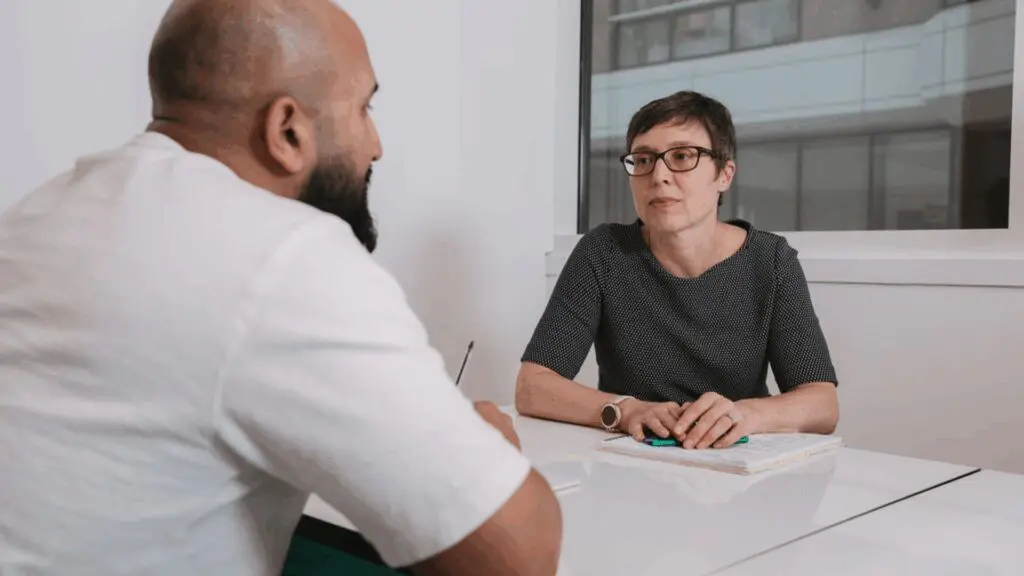
Candidates assessed inclusivity through how recruiters and interviewers responded to neurodivergent communication styles like:
- stuttering or slower responses
- reduced eye contact
- needing time to think
- answering differently to what’s expected socially
When interviewers remained calm and unbothered, candidates interpreted that as a sign of acceptance.
When interviewers made assumptions or didn’t give space to think, candidates felt put off and wouldn’t apply again.
Participants repeatedly expressed that the real question should be: “Can they do the job?”
Not: “Do they look confident doing the job in a neurotypical way?”
What candidates wanted:
- recruiters trained in what neurodivergence can look like
trained to recognise strengths (not just “difference”)
interviewers who can separate ability from performance style
3) Disclosure reactions: “If I tell you, what happens next?”
For candidates who chose to disclose, the response became a pivotal signal of inclusion.
Many feared disclosure could lead to rejection or be used as justification for rejection.
But when disclosure was met with calm understanding, it became a powerful positive signal. People reported feeling more confident there would be no judgement and they would be included.
By contrast, negative reactions strengthened the feeling of being an outsider, widening the divide between candidate and organisation.
Importantly: it wasn’t enough to “react well” in the moment.
Candidates wanted ongoing support through the entire process and beyond. They described wanting:
- a consistent contact person
follow-through into onboarding
support that doesn’t disappear after the interview
4) DEI signals: “Do you mean it or is it window dressing?”
DEI mattered but candidates were careful.
Participants valued organisations that were visibly committed to DEI, and often used broader DEI activity as a proxy for neuroinclusion.
However, many raised concerns about superficial inclusion efforts, describing “window dressing”, and noting that certain language choices can signal surface-level engagement.
Some participants also said they couldn’t confidently spot when DEI efforts were fake or tokenistic, meaning organisations may be rewarded for performative signals even when the reality doesn’t match.
If inclusion is promised during recruitment but doesn’t exist after onboarding, people experience a sharp breach of trust and may end up leaving.
The most uncomfortable finding: inclusivity becomes a privilege when people don’t have options
Even when candidates recognised negative signals, many still pursued jobs because of financial pressure, past unemployment, or limited alternative opportunities.
This matters because it shows:
- Neurodivergent candidates to value inclusion
But systemic exclusion reduces the power of choice, meaning many people must prioritise survival over safety.
So what should employers do differently?
Here are small but powerful changes that create stronger “safety signals”:
- Make the process transparent
- specific job adverts
- clear steps and timelines
- share interview questions in advance
- detailed information about interviewer and location
Offer adjustments proactively and normalise them
Instead of asking “Do you need adjustments?” (which puts pressure on the candidate), offer multiple choice examples and standard options.
Train recruiters and hiring managers properly
Not just awareness, but strengths-based understanding, how to respond to disclosure, and how to interpret communication differences without bias.
Be honest about where you are on the journey
Falsely signalling a positive diversity climate can lead to neurodivergent people entering unsafe environments and then being blamed when they struggle.
In short: recruitment is the first inclusion intervention
If you want neurodivergent candidates to apply, and stay, your recruitment process needs to signal:
“We have thought about accessibility.”
“We will not penalise you for being different.”
“You don’t have to fight for support.”
“And our inclusion claims match our reality.”
Genius Within can help organisations build systemic inclusion. From neuroinclusive recruitment and assessment to workplace adjustments, leadership capability, and culture change.
If you want to strengthen the signals you send to neurodivergent candidates (and make sure they match the reality inside your organisation), get in touch with our consulting team for a chat.