Posted 07 Jul 2026
Employers Getting it Right: Scottish Water Take Strides with Neuroinclusion
Across every sector, organisations are recognising that neuro-inclusion is not simply a “nice to have” but rather an essential to building workplaces where people can truly thrive.
At Genius Within CIC, we see first-hand the difference that specialist support, practical coaching, and open conversations can make for teams navigating this journey and we love to help however we can.
We wanted to share about our recent collaboration with Scottish Water as it demonstrates how meaningful change can happen when organisations combine commitment with bringing in the right expertise.
Taking Neuroinclusion to the Next Level
Supported through funding from the Royal Society of Chemistry’s (RSC) Inclusion & Diversity Fund, Scottish Water asked us to help strengthen neuro-inclusive practices within their Scientific Services teams. While the organisation had already begun exploring neurodiversity in the workplace, leaders recognised the value of bringing in specialist consultants to accelerate progress, deepen understanding, and create lasting impact.
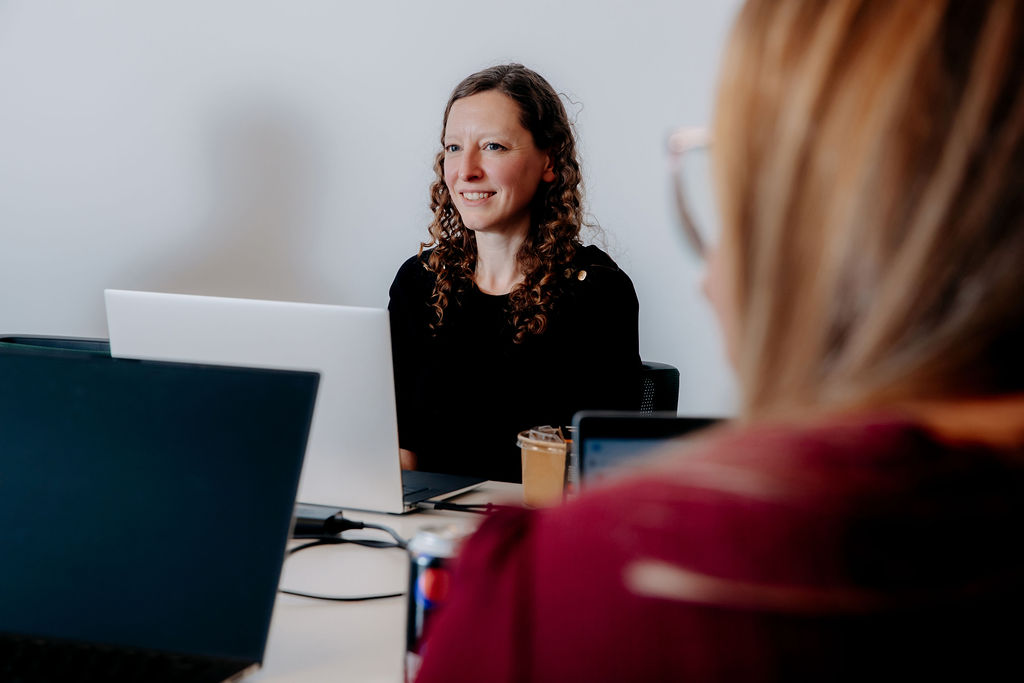
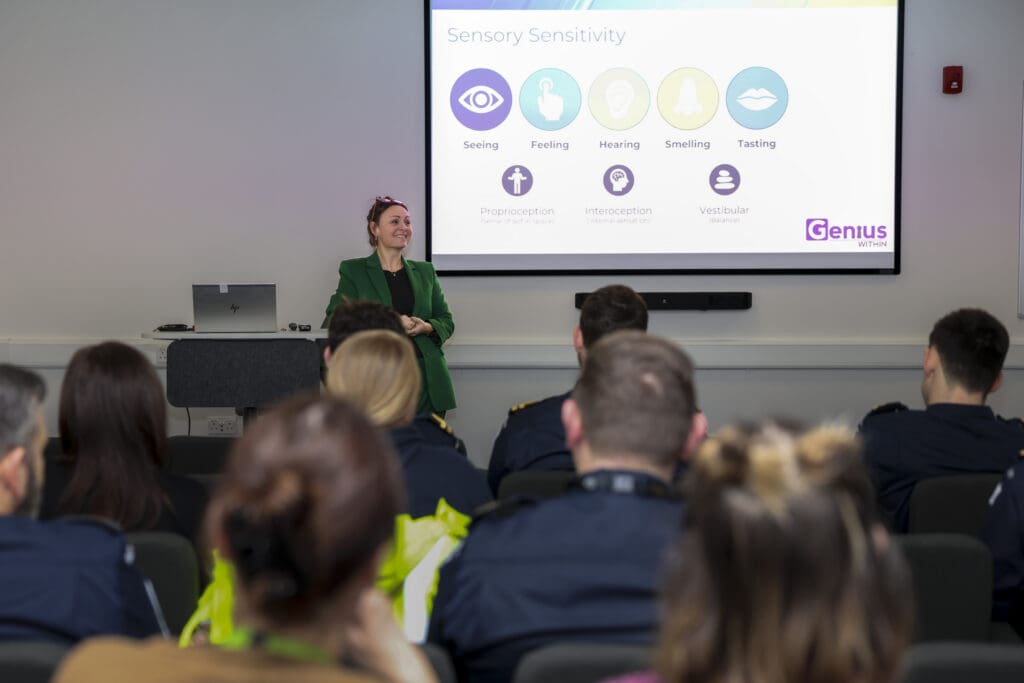
Working with volunteers from the Organic Chemistry and Inorganic Chemistry & Metals teams, we facilitated a programme of group coaching sessions designed to build awareness of neurodivergent experiences, encourage inclusive communication, and help participants better understand both their own strengths and the challenges colleagues may face at work.
Beyond Policies and Processes
One of the most powerful outcomes of the programme was the creation of a safe, supportive environment where people felt comfortable sharing experiences that may otherwise have remained unspoken. Participants reflected on how valuable it was to hear different perspectives, learn from one another, and realise how many people are navigating similar challenges, both professionally and personally.
For some, the work was deeply personal. Team members spoke about wanting to help create a more inclusive future not only for colleagues, but also for neurodivergent family members. These conversations really helped to reinforce the fact that neuro-inclusion is not just about policies or processes. It is about people feeling understood, respected, and able to contribute fully without unnecessary barriers.
Flexibility and an Open Mind
A key theme throughout the sessions was the importance of moving beyond assumptions. Rather than expecting individuals to adapt to rigid workplace systems, Scottish Water teams began exploring how systems themselves could become more accessible and flexible.
This shift in thinking was particularly evident in discussions around communication styles and the design of workplace environments.
Importantly, participants recognised that there is no single solution that works for everyone. Neuro-inclusion requires curiosity, flexibility, and ongoing dialogue.

Opportunities for Universal Inclusion
One concept that strongly resonated during the programme was the difference between equality, equity, and universal design. Rather than simply providing individual adjustments after barriers arise, teams explored how removing unnecessary barriers altogether can create environments that work better for everyone from the outset.
This learning quickly translated into practical action.
Scottish Water teams have since begun reviewing documentation, training approaches, and information-sharing processes to make them more accessible. Leaders identified that highly text-heavy materials could create unnecessary challenges and started exploring more visual and flexible ways of presenting information, including symbols, diagrams, and varied learning formats.
Managers also reported changes in how they approach one-to-one conversations with staff. By asking more direct and thoughtful questions about individual working preferences and challenges, team leaders uncovered opportunities for relatively small adjustments that could have a significant positive impact.
In some cases, this involved introducing greater predictability into schedules and rotas to reduce stress and uncertainty. In others, it meant adapting communication styles or reconsidering how tasks and training were delivered.
What stands out most about this partnership is that Scottish Water already had the desire to create change. Our role at Genius Within was to provide specialist guidance, evidence-based strategies, and practical coaching that helped turn good intentions into meaningful action.
Neuroinclusion Deserves Time and Focus
As many organisations discover, neuro-inclusion can feel like a vast and complex area to navigate alone, especially alongside day-to-day operational pressures. Bringing in specialist expertise helps organisations move faster, avoid common pitfalls, and create sustainable approaches that genuinely support people.
The momentum generated through this project has already led Scottish Water to secure a second round of Inclusion and Diversity funding to continue developing inclusive training techniques across its Scientific Service department.
For us at Genius Within, this is exactly what successful neuro-inclusion looks like: not a one-off initiative, but an evolving commitment that brings everyone in and tackles problems head on.
NB: This project was supported through the Royal Society of Chemistry’s Inclusion and Diversity Fund, which was backed by the Chemists’ Community Fund. The views expressed herein do not necessarily reflect those of the RSC.
To read about our neuro-inclusion work with energy provider E.on click here.
Learn about our neuro-inclusion efforts in the construction industry here.
To Find out more about how to equip Line Managers for managing a neurodiverse team click here.