Posted 15 Sep 2025
Celebrating Neurodiversity Awards: Honouring Changemakers
As we mark another year of the Celebrating Neurodiversity Awards, we are taking a moment to reflect on the incredible individuals and projects that have shaped our community. Over the past six years, our winners have shown us what it means to turn lived experience into lasting impact. This week, we are spotlighting some of those changemakers whose stories continue to inspire.
When the Norm Fails, Neurodivergence Prevails
It may seem obvious, but the first step to solving a problem is identifying it in the first place and not everyone possesses this gift. It can feel like to us there is this giant unmissable issue that needs to be addressed and yet somehow everyone else is shrugging their shoulders as if they can’t see it or perhaps don’t care. This feeling of being the canary in the coal mine watching in slow motion as disaster approaches can be infuriating, frustrating and disheartening, but when it happens to the right person at the right time it is also a catalyst.
One of the common themes among Celebrating Neurodiversity award winners over the last 6 years has been stepping in to solve a problem or meet a need when no one else would. We have observed time and again that the frustration of the neurodivergent community can be a kind of rocket fuel for grass roots movements, new businesses, product ideas, and academic research!
Be The Change: Addressing A Community Need
We caught up with one of our former winners, the brilliant Marsha Martin, who won Best Inclusion Project in 2023. She started a community support group called Black SEN Mamas to provide the kind of safe space that she saw was missing.

We asked her to share more about what motivated her at the beginning, she said:
“It came from a place of lived experience and deep frustration. I was watching and experiencing how Black families, especially mothers, were being shut out of the support systems their children needed. The barriers weren’t just about access; they were systemic, persistent and in my experience, as well as many of the other mothers we support, they were racialised.
As a Black, autistic mum raising three neurodivergent children, I was navigating all of this without a space that truly understood the layers involved. I needed somewhere that spoke to our reality; where the specific and nuanced challenges faced by Black SEN families were recognised and where Black women could show up without judgement without having to shrink, over explain or feel pressured to justify. A space where they could just “be” and know that genuine vulnerability was safe and not a risk. As mothers of neurodivergent children, we feel exclusion from outside, but also within our community.
Black women are rarely afforded spaces like this and building this community has been one of the best decisions I have ever made, because we all benefit in real time, but also long-term. It has become a major foundational stone, as we build on our collective healing journey.”
Marsha’s award-winning project is a powerful example of how frustration, when met with clarity and courage, can spark lasting change. What began as deep personal exasperation with broken systems became the foundation for a transformative, affirming space that didn’t previously exist.
Outsider Insight: How Neurodivergent Thinkers Solve the Problems Others Can’t
So why are there so many neurodivergent changemakers? What is it about our community that not only makes us good at spotting problems to be solved but also at going all the way and creating the solutions?
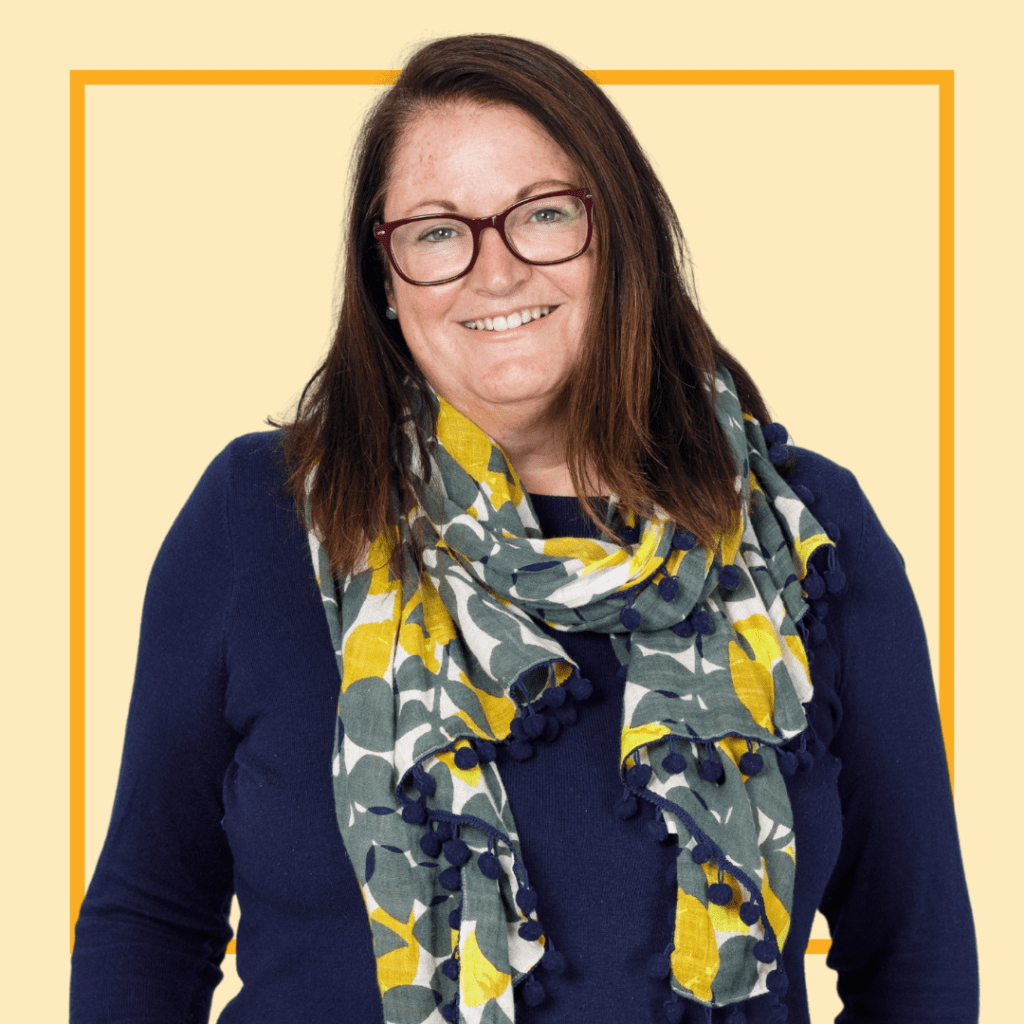
We asked our neurodivergent CEO Jacqui Wallis to give her perspective, she said:
“Growing up neurodivergent it is extremely common to need to find little tricks and work arounds to get through daily life. When facilitated by a professional we call these ‘accessibility options” but for so many of us they are actually just the things we figured out on our own because we knew we needed a different way of doing things to survive and thrive. It could be the dyslexic child that taught themselves to use their visual memory, focusing on colours, instead of sounding out the words phonetically, or the ADHD-er who figured out they could snap a hairband against their wrist in class to help themselves concentrate.
How about the person living with chronic pain that invents a gadget to help them put on their shoes? or the Autistic person who taught their teacher to communicate with them in writing when they were struggling to speak.
The ND community have problem solving and perseverance baked into our everyday lives in a way that many others simply wouldn’t understand.”
The truth is, what others often see as “problems” in neurodivergent thinking are frequently the qualities that lead to ground-breaking, human-centred solutions.
Frustration becomes fuel, lived experience becomes insight, and what starts as survival can grow into systems of support that lift up entire communities.
From grassroots movements to inventive workarounds, diversity of thought benefits us all.