
Posted 21 May 2026
How to Host a Tourette’s Inclusive Event
It is Tourette Syndrome Awareness Month and we felt that this was the perfect time to address the elephant in the room following the fall-out from the BAFTA’s. If you are unfamiliar or need a reminder you can click here to read our CEO’s account of the incident.
We have seen hundreds of articles talking about what the BBC and BAFTA’s did wrong. Even what John Davidson, Michael B Jordan and Delroy Lindo should not have done. But where is the advice on what you SHOULD do if you want to host a truly Tourette Syndrome inclusive event?
True Inclusion is Rarely Simple
Whilst it would be lovely to break this down into some kind of easy to digest ten step guide, Intersectional inclusion is far messier and more nuanced than that. What is actually needed is a conversation and some deepened understanding. We spoke with Genius Within ambassador Paul Stevenson to help guide us through and help formulate some practical advice.
Engage with your Audience Participants in Advance
Paul says:
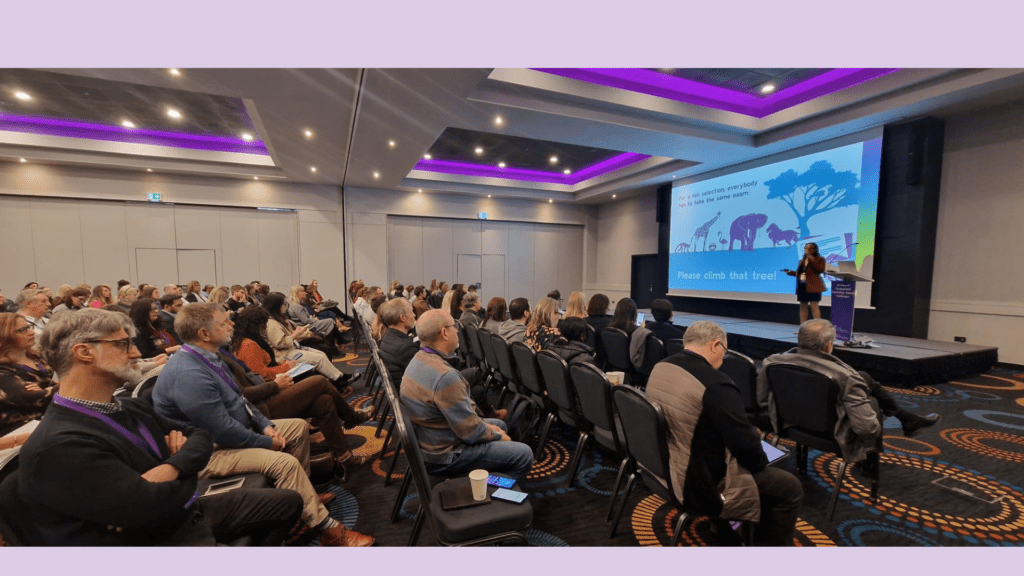
“I think one of the most important things is for organisers to truly understand who their audience is. From this, they can gauge the depth of understanding and information that needs to be shared in order to make the event genuinely inclusive rather than simply appearing inclusive on the surface.”
If you have a room full of people there is a good chance that a simple statement saying “please disregard any tics you may hear” isn’t going to cut it. There is far too much prevalent misinformation about Tourette’s to simply assume everyone will understand. Sending educational information along with the invite, showing a video and giving a statement on the day are all good approaches, but be sure that they cover the most important points and go deep enough to properly educate and prepare people. Give people the chance to ask questions and request additional resources if needed.
Include Ticcers in Advance
Reach out to your invitees and participants with Tourette Syndrome (TS) and ask them about any potential triggers or anxieties that you can support with. For example they may inform you that they have a tendency to tic offensive words aimed at a certain group, and you can use this information to consider who they are sat close to, create a private space for them, or perhaps forewarn them of any parts of the event that would be likely to trigger these tics. Work with them throughout to understand how you can protect them and others from unnecessary upset.
They might also have sensory triggers that you can mitigate in advance or anxieties about the venue that can be addressed. Everyone is different so it is best to speak to individuals directly instead of following generic inclusion advice.
Paul says:
“Something as simple as offering a venue walkthrough in advance can make a huge difference. It can help a person: familiarise themselves with entrances and exits, understand the layout, identify quieter areas and generally reduce anticipatory stress.”
Showing this kind of forethought will also help invitees with TS to relax about the general vibe of the event which may in turn help them to feel more comfortable making difficult decisions on the day. Choices like exiting the room while someone is speaking, or asking to move seats can feel like you’re being rude or difficult if you don’t know the hosts well. People with Tourette’s are also less likely to tic when they feel at ease.

Include a Tourette’s Charity or Knowledgeable Expert
Paul says:
“Another very important part of this is involving Tourette Associations or knowledgeable experts before and during the event. They can offer valuable guidance on everything from how to structure information about Tourette Syndrome, through to practical support for audience members or presenters living with TS.”
Having experts in attendance can also help to address the situation when something does go wrong. For example if there are people present who do not feel comfortable or safe, your expert could hold a listening space to help answer questions and resolve conflict. It is not reasonable to expert the people directly involved to perform the emotional labour of repairing a conflict. There are people trained and qualified to do this and having them present is an excellent way to demonstrate your commitment to inclusion.
We often here the term “psychological safety” bandied around but this is an example of what that actually looks like in practice. You cannot always avoid people being upset or conflicting needs creating tense moments, but you CAN model how to repair and mediate after those moments in a way that shows respect for people’s genuine emotions.
Educate your Host about Tourette’s
Paul says:
“Hosts should have a good understanding of Tourette Syndrome beforehand. They should know not to overreact, avoid drawing unnecessary attention to tics, for example not responding or answering the tics. They are involuntary, carry no intent and therefore do not require a conversational response. Hosts should be able to continue naturally if interruptions happen. It is also important not to identify individuals in the audience or presenters who may be living with TS unless that person has openly chosen to disclose it themselves.
If the host or presenter feels uncomfortable or slightly unsure themselves, the audience will often pick up on that very quickly. Their reaction can shape the atmosphere in the room, which is why confidence, calmness, and preparation matter so much.
We need to understand that real inclusion can sometimes be messy, imperfect and unpredictable. This is exactly why preparation, understanding, and compassion matter so much.
Tourette’s inclusion can sometimes require mediation, reassurance, education and patience from everyone involved.
The goal should never be to eliminate differences. The goal is to create an environment where people feel safe enough to participate despite those differences.”
Feedback is your Friend
Paul says:
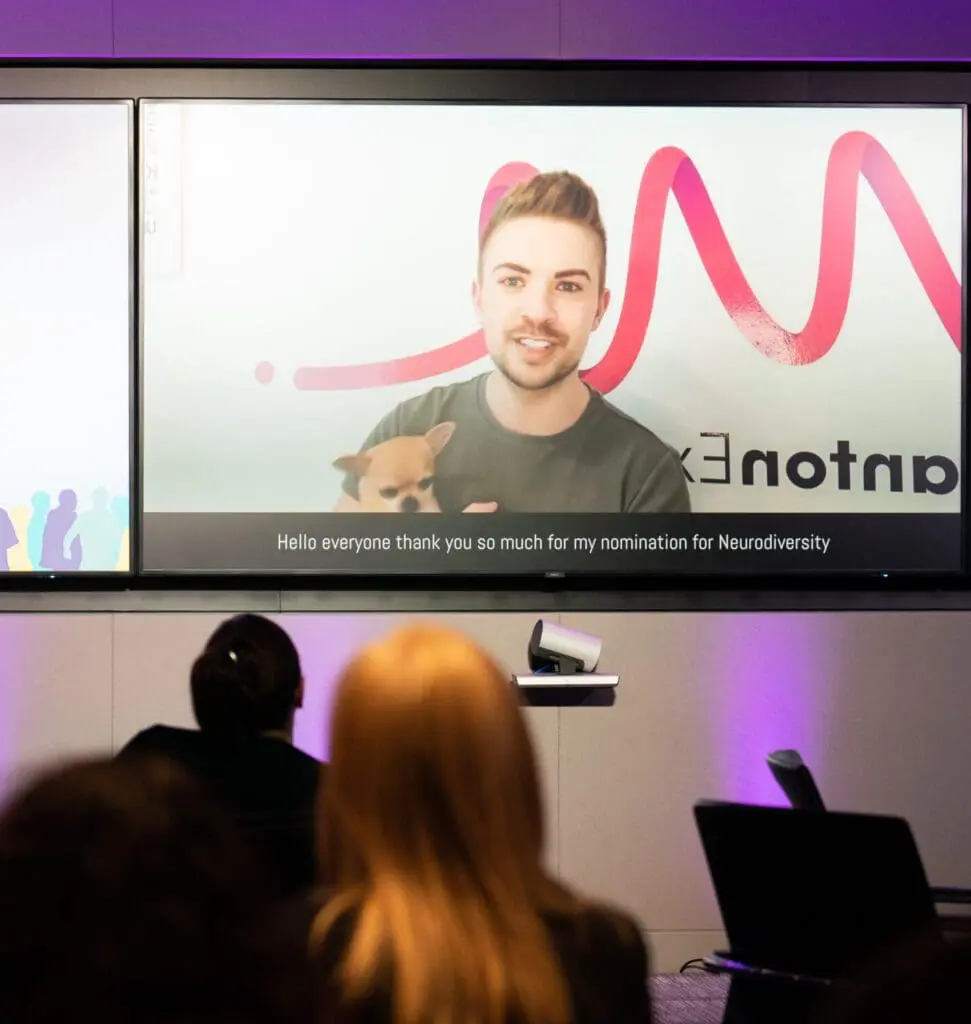
“we also need to accept that we will not always get everything right the first time. That is why gathering feedback afterwards is so important.
Follow up after the event and ask:
- What worked well?
- What could be improved?
- Did the person/people feel safe and supported?
- Did other participants feel safe and supported?
- Were there any unexpected challenges?
Inclusion improves through reflection and learning.”
Tourette’s Inclusion will not always be Comfortable but it can be Human
Paul says:
“I have been to many conferences over the years and overall my experiences have been positive. One event in particular started with a very thoughtful introduction and insight into TS. The host opened by saying, “We have a gentleman in the audience tonight who has Tourette Syndrome,” which was immediately followed by four or five people around the room reacting vocally with their own tics. It stands to reason that in a room of 400 guests there are likely to be several other people living with TS too.
At another event, I was invited to speak but nobody had briefed the audience beforehand. As my vocal tics increased during the presentation, I could clearly see the reactions from parts of the audience, and a few people seemed unsure whether to laugh or be worried.
When you encounter someone with TS remember, even though this may be the first time you have experienced someone ticcing, it is not their first time experiencing people’s reactions. Having to live with the fear of negative reactions can be exhausting and causes people to hide away at home instead of living their life to the fullest.
I believe the best approach is to look beyond the tics and see the human. Just like you, I may also be feeling anxious, overwhelmed, or uncomfortable in that moment.”
People with Tourette’s Deserve to Participate without Fear
Keeping our shared humanity at the forefront of our minds allows us to work through challenging moments and hopefully walk away with a better understanding of each other.
We don’t want anyone to feel they have to avoid an event out of fear. Creating a shared psychological safety in a room takes effort and care but it CAN be done.
Learn more about Tourette Syndrome – click here.
Connect to Tourette’s support groups or engage with a knowledgeable expert – click here.
Read more about Paul Stevenson and his lived experience – click here.